
ADUs & Pool Houses
Mini Split Installation for ADUs & Pool Houses in Texas
An accessory dwelling unit needs its own climate control on its own meter-friendly schedule. Extending the main house system rarely works and often violates code — ductless is the standard answer.
- Veteran-Owned & Operated
- TDLR-Licensed Installers (#133305)
- EPA-Certified Installers (#3102/A-720-0010)
- 4.9 / 5 Star Rated Installs
ADU and pool house mini splits run $2,000 to $5,500 installed in Texas. A studio casita under 500 sq ft typically needs 12,000 BTU; a one-bedroom ADU with a separate bedroom usually calls for a two-zone system so the sleeping area can be set independently.
Why ADUs are a ductless-first application
Accessory dwelling units — casitas, garage apartments, mother-in-law suites, converted outbuildings, pool houses — share a set of characteristics that make ductless the obvious choice rather than a compromise.
They are small, so a full ducted system is disproportionately expensive. They are detached or semi-detached, so extending the main system means trenching and usually violates code. They have their own occupants with their own schedules, so shared thermostat control is a genuine problem. And they frequently get built into structures that were never designed with a mechanical chase, so there is nowhere to put ducts anyway.
A single-zone mini split addresses every one of these at once, for less than the cost of the trenching a shared system would require.
Sizing by ADU layout
| ADU type | Typical size | Recommended system |
|---|---|---|
| Studio casita | 300–500 sq ft | 12,000 BTU single-zone |
| Garage apartment (above garage) | 400–700 sq ft | 18,000 BTU single-zone |
| One-bedroom ADU | 500–800 sq ft | Two-zone, 18,000–24,000 BTU total |
| Two-bedroom ADU | 800–1,100 sq ft | Three-zone, 24,000–36,000 BTU total |
| Pool house / cabana | 200–400 sq ft | 9,000–12,000 BTU single-zone |
The rule worth remembering: any ADU with a separate bedroom should get a separate zone for it. The cost difference between a single-zone and a two-zone system is a few hundred dollars, and the comfort difference for someone actually sleeping there is substantial. If the ADU is a rental, it also removes the most common tenant complaint.
Garage apartments deserve extra attention
An apartment over a garage is the hardest ADU to condition well, and the reason is what is underneath it. The garage below is unconditioned and runs 110–120°F on a July afternoon. That heat rises directly into the floor of the living space.
Two things follow. First, size up — a 500 sq ft garage apartment often behaves like 700. Second, insulating the garage ceiling before installation pays for itself quickly and lets you use a smaller unit. Many homeowners skip this and then wonder why the system runs constantly.
Rentals, short-term or long
If the ADU is or may become a rental, a few decisions made at install time matter later:
- Separate zones per sleeping room. Tenants and guests will not agree on temperature.
- Wi-Fi-capable units let you cap setpoints or check on an empty unit remotely — useful for short-term rentals.
- Dry mode on the remote handles Gulf Coast humidity during vacant periods without running full cooling.
- Keep documentation. Permit records and the installer’s commissioning report matter if you ever sell or refinance.
Utility and rebate notes
An ADU on the same meter as the main house is treated as part of the residence for most utility rebate programs, which usually means it qualifies. An ADU on its own meter may qualify separately. Since ADU rules and utility programs both changed recently in most Texas metros, confirm current terms rather than relying on what was true last year — the rebates and tax credits guide covers what is currently available.
For full cost tables see pricing, and for ADUs with multiple rooms compare multi-zone systems.
Recent Installs
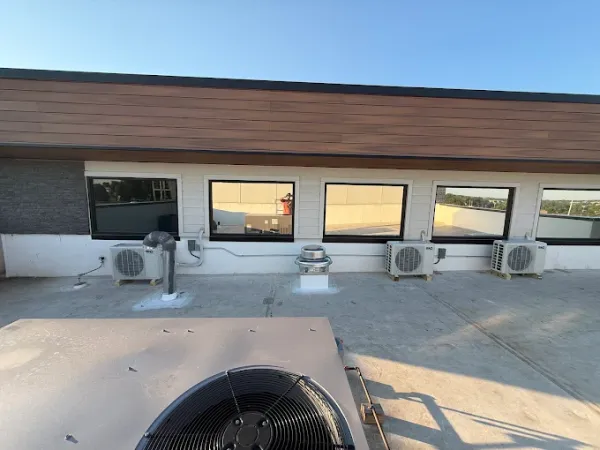
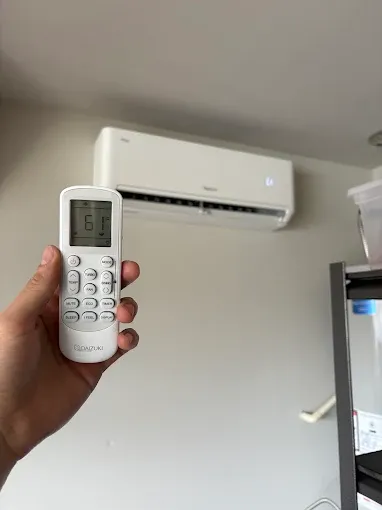
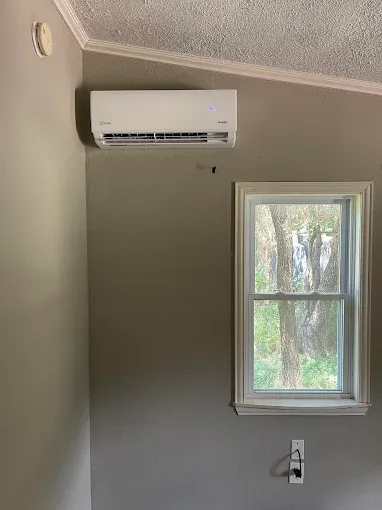
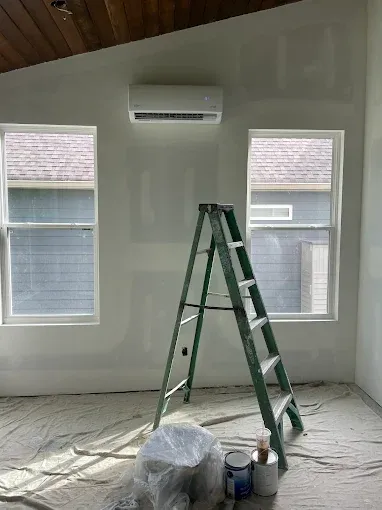
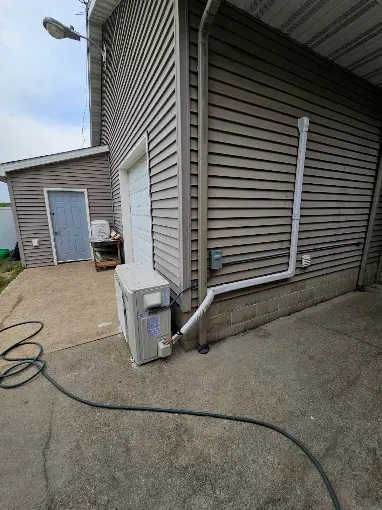
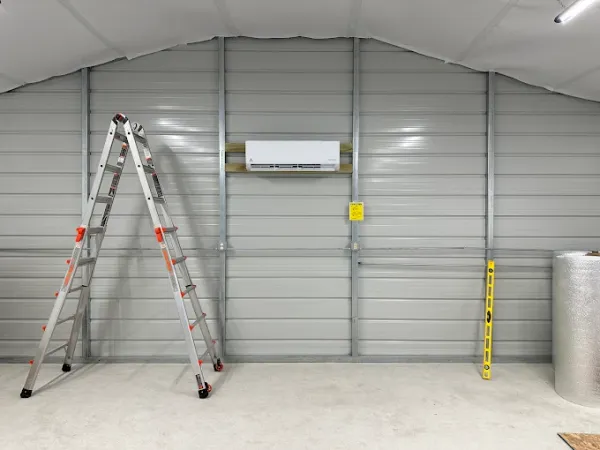
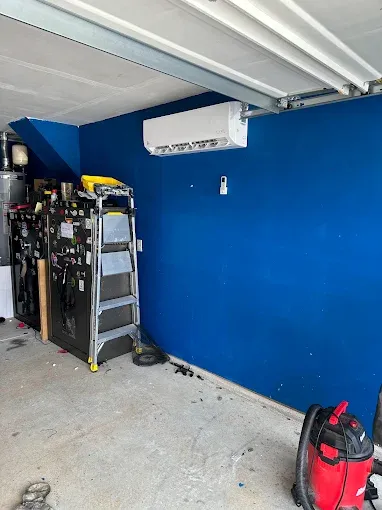
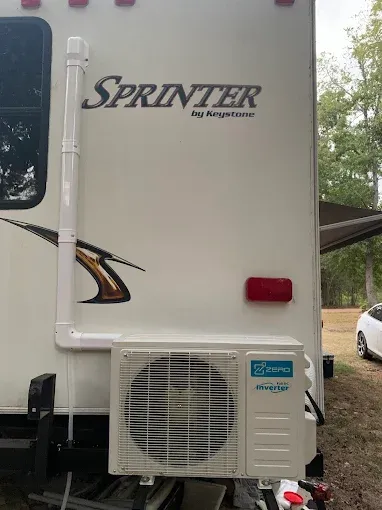
Actual completed jobs by the licensed installers in our Texas network.
ADU & Pool House Mini Splits: Common Questions
Can I extend my house HVAC to a detached ADU?
What size mini split does a garage apartment need?
Do I need a permit for a mini split in an ADU?
Is a mini split good for a pool house that is only used seasonally?
Ready To Get Started?
Free, no-obligation quotes from local professionals.
Get an Exact Quote for Your Home
Fill out the form below and a local pro will reach out shortly.
Mon–Fri 8am–5pm CST · Free, no-obligation quotes · No pressure, no hidden fees