
Garage & Workshop
Garage Mini Split Installation in Texas
A Texas garage hits 120°F by mid-afternoon in July. A right-sized ductless mini split turns it into a workshop, gym, or car space you can actually use — without touching your home system.
- Veteran-Owned & Operated
- TDLR-Licensed Installers (#133305)
- EPA-Certified Installers (#3102/A-720-0010)
- 4.9 / 5 Star Rated Installs
Most Texas garage mini splits run $2,000 to $5,500 installed. A standard two-car garage needs 18,000–24,000 BTU — more than the square footage alone suggests, because garage doors and uninsulated walls leak heat badly. Budget an extra $550 if a dedicated 240V circuit has to be run from your panel.
Why garages are the most common mini split job in Texas
More than any other space, the garage is what pushes Texas homeowners toward ductless. The reason is structural: your central system was sized for the conditioned envelope of your house, and the garage sits outside it. Extending a duct run into the garage is usually a code problem — most jurisdictions prohibit supply air crossing the firewall between an attached garage and living space — and it would unbalance the system besides.
A ductless mini split sidesteps all of that. One outdoor condenser mounts on the exterior wall or a pad, one indoor head goes high on an interior wall, and a three-inch penetration carries the refrigerant line and condensate drain between them. Nothing connects to your home’s HVAC.
Sizing a garage the way Texas heat demands
The rule of thumb published for living rooms — 20 to 25 BTU per square foot — will leave you disappointed in a garage. Use 40 to 50 instead.
| Garage size | Insulated | Uninsulated / west-facing |
|---|---|---|
| 1-car (250–300 sq ft) | 9,000–12,000 BTU | 12,000–18,000 BTU |
| 2-car (400–500 sq ft) | 18,000 BTU | 24,000 BTU |
| 3-car (600–750 sq ft) | 24,000 BTU | 36,000 BTU |
| Shop / oversized (800+ sq ft) | 36,000 BTU | Multi-zone or 36,000+ |
Three things drive the difference. The garage door is a large uninsulated panel that radiates heat all afternoon. The ceiling is usually bare drywall under a vented attic that runs 140°F in August. And the slab absorbs and re-releases heat well into the evening. If your garage faces west and takes direct sun from 3pm onward, size up one step.
What the installation actually involves
A typical garage install is a four-to-six hour job. The crew mounts the indoor head, drills the wall penetration, sets the outdoor condenser, runs and flares the line set, pulls a vacuum on the refrigerant lines, and commissions the system. The vacuum step is the one homeowners never see and the one that determines whether the system lasts fifteen years or fails in three — moisture left in the lines destroys the compressor.
If a dedicated circuit is needed, an electrician runs conduit from your panel to a disconnect box beside the condenser. That moves you up within the range above, and it is worth confirming your panel has a spare double-pole slot before quote day.
Heating a garage through a Texas winter
Homeowners buy garage mini splits for cooling and then discover they use them just as much in January. A heat pump mini split produces usable heat down to about 5°F, which covers every Texas winter scenario short of a Uri-class event. For a workshop where you are running epoxy, paint, or finishes that need a minimum cure temperature, this matters more than the cooling does — it turns the garage into a year-round space rather than a nine-month one.
Getting a real number for your garage
Square footage alone will not produce an accurate quote. An installer needs to know your ceiling height, whether the attic above is insulated, which direction the door faces, what your panel looks like, and whether you want the unit sized to hold temperature continuously or to cool down quickly on demand. Those answers move the price by more than a thousand dollars.
Compare your options against the full Texas pricing tables, or look at single-zone systems generally if the garage is the only space you plan to condition.
Recent Installs
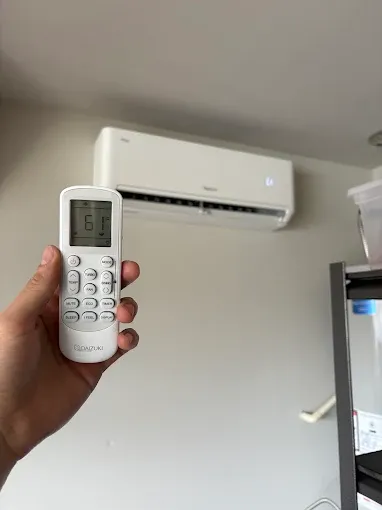
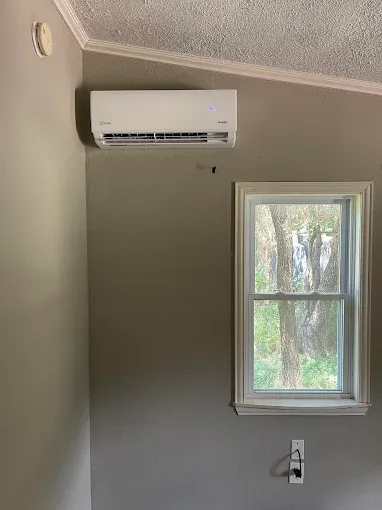
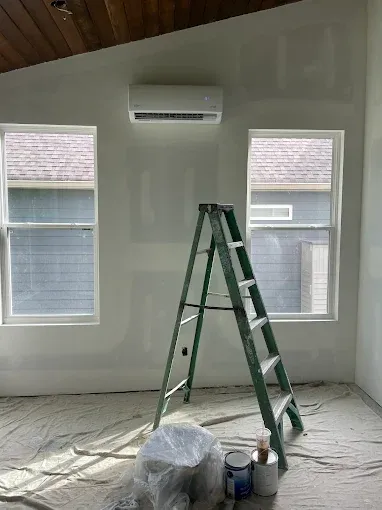
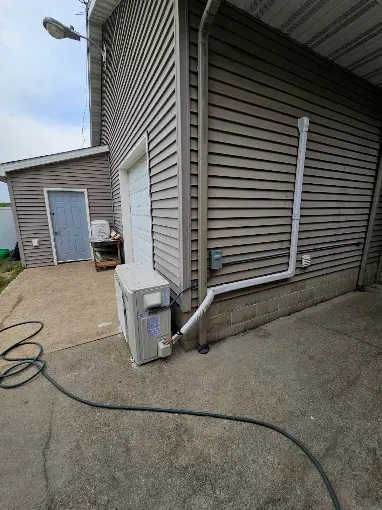
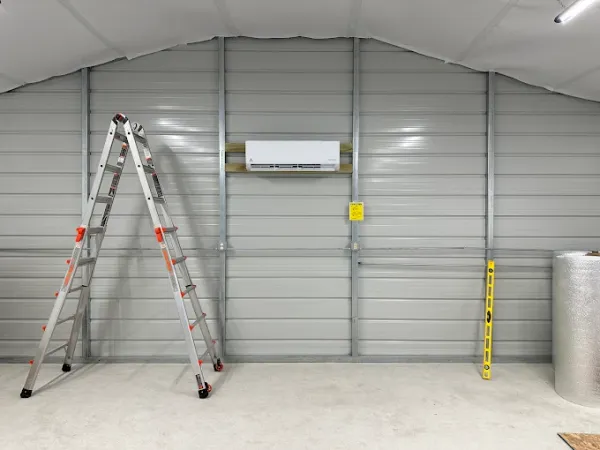
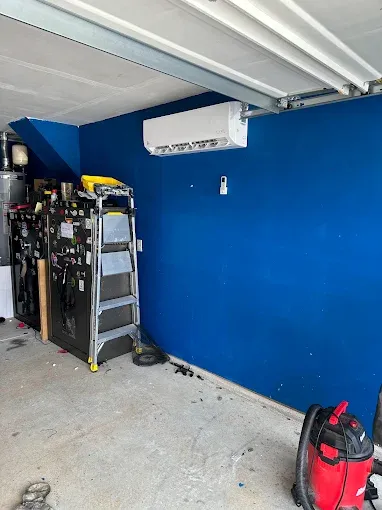
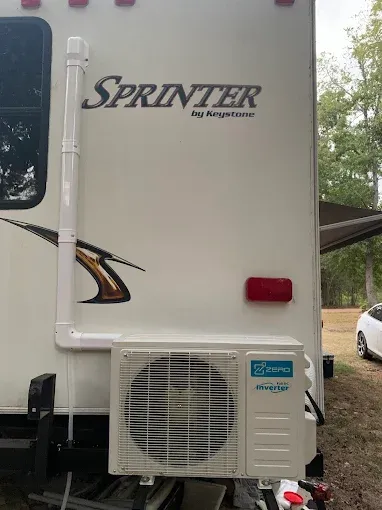
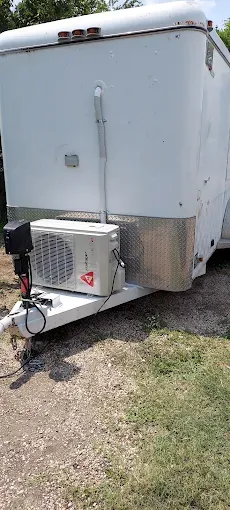
Actual completed jobs by the licensed installers in our Texas network.
Garage Mini Splits: Common Questions
What size mini split do I need for a 2-car garage in Texas?
Do I need to insulate my garage before installing a mini split?
Can a garage mini split run off a regular outlet?
Will a mini split keep my garage cool with the door open?
Ready To Get Started?
Free, no-obligation quotes from local professionals.
Get an Exact Quote for Your Home
Fill out the form below and a local pro will reach out shortly.
Mon–Fri 8am–5pm CST · Free, no-obligation quotes · No pressure, no hidden fees