
Single-Zone Systems
Single-Zone Mini Split Installation in Texas
One indoor unit, one outdoor condenser, one room solved. The single-zone system is the most common ductless installation in Texas and the most affordable way to condition a space your central system never reached.
- Veteran-Owned & Operated
- TDLR-Licensed Installers (#133305)
- EPA-Certified Installers (#3102/A-720-0010)
- 4.9 / 5 Star Rated Installs
A single-zone mini split costs $2,000 to $5,500 installed in Texas, covering equipment and labor. The spread comes from unit size and equipment quality — a small entry-level unit sits near the bottom of the range, a large premium unit near the top. Adding a dedicated electrical circuit adds roughly $550.
What a single-zone system is
A single-zone ductless mini split is two pieces of equipment connected by a refrigerant line. Outside, a condenser unit sits on a pad or wall bracket. Inside, one indoor head — usually wall-mounted near the ceiling — delivers conditioned air directly into the room. A line set carrying refrigerant, a condensate drain, and control wiring runs between them through a three-inch hole in the wall.
That is the entire system. There is no ductwork, no air handler, no return plenum, and no connection to your existing HVAC.
What it costs in Texas
A single-zone system runs $2,000 to $5,500 installed — equipment, labor, line set, refrigerant, and commissioning included.
Where you land inside that range comes down to three things:
Capacity. A 9,000 or 12,000 BTU unit for a bedroom or small office sits near the bottom. A 24,000 or 36,000 BTU unit for a large living area or a three-car garage sits near the top.
Equipment quality. Better equipment buys sustained capacity in extreme heat, more heating output at low outdoor temperatures, quieter indoor units, and longer parts support. For a garage or a guest room, the entry option is usually the right economic call. For a primary bedroom or living room you will run daily for fifteen years, the step up is defensible.
Installation complexity. A new dedicated 240V circuit, a long line-set run, a second-storey mount, or an awkward condenser location all move you up.
See the pricing page for cost by system type, including dual-zone, multi-zone, and whole-home.
A note on efficiency ratings
SEER2 is a seasonal cooling efficiency rating measured under specific test conditions, and homeowners over-weight it. It says nothing about how well a unit sustains capacity at 105°F, how much heating output it retains at low outdoor temperatures, how quiet it is, or whether parts will be available in a decade.
Premium units sometimes rate lower on paper than budget ones precisely because they optimise for sustained real-world capacity rather than peak test-bench efficiency. A unit that holds full output on a 105°F afternoon is doing something the number does not capture.
Sizing correctly matters more than equipment choice
An oversized mini split is worse than a slightly undersized one. It cools the space quickly, satisfies the thermostat, and shuts down — before it has run long enough to remove humidity. In Houston or along the Gulf Coast, that produces a room that is cold and clammy. It also cycles the compressor more often, which shortens its life.
Inverter units tolerate modest oversizing far better than old fixed-speed equipment because they can modulate down. But there are limits, and going two sizes up “for margin” is a mistake.
Get a load calculation rather than a rule of thumb, especially if the space is unusual — heavily glazed, uninsulated, above a garage, or with a cathedral ceiling.
When to choose multi-zone instead
If you are conditioning more than one separated room, price out both approaches. Two single-zone systems mean two condensers and two sets of penetrations, but complete independence — one failure does not affect the other. A multi-zone system uses one condenser for two to eight indoor heads, which usually costs less than the equivalent count of single-zone systems and puts only one unit outside.
The dividing line is generally around three zones. Below that, separate single-zone systems are often competitive and are simpler to service. Above that, multi-zone almost always wins on both cost and exterior clutter.
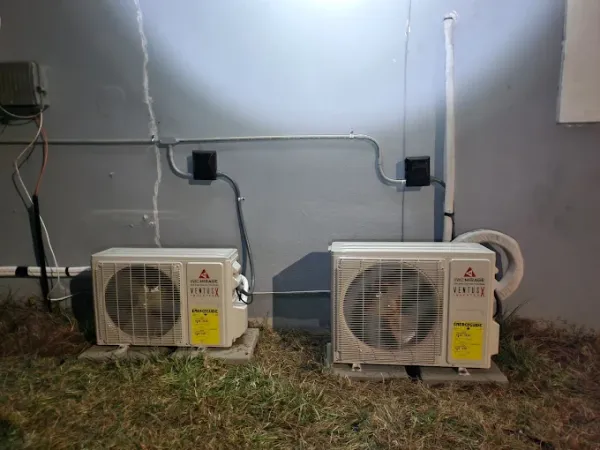
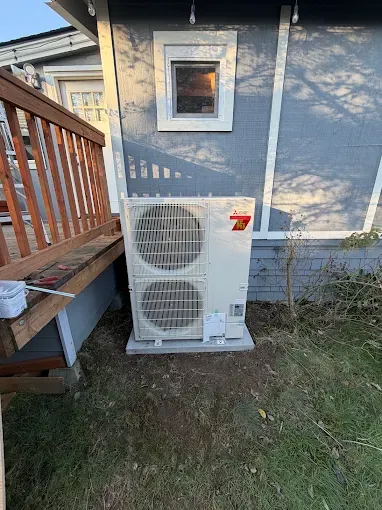
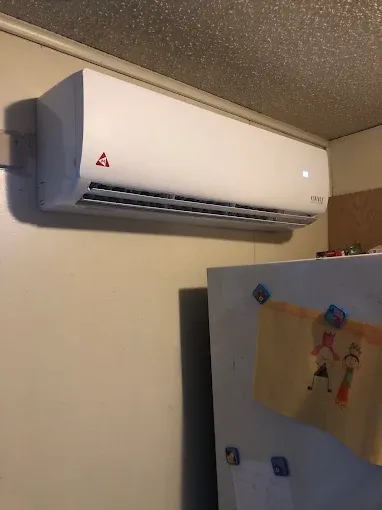
Recent Installs
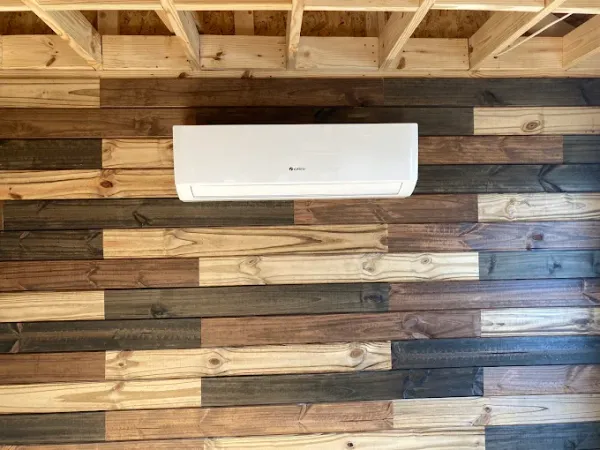
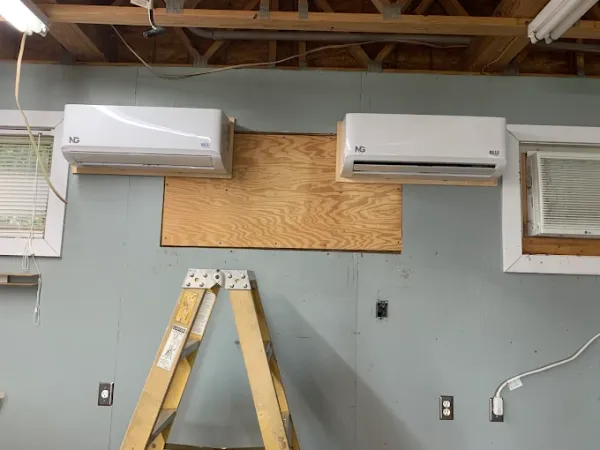
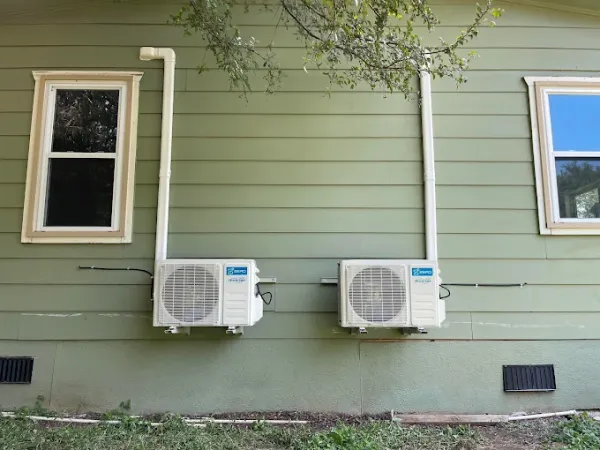
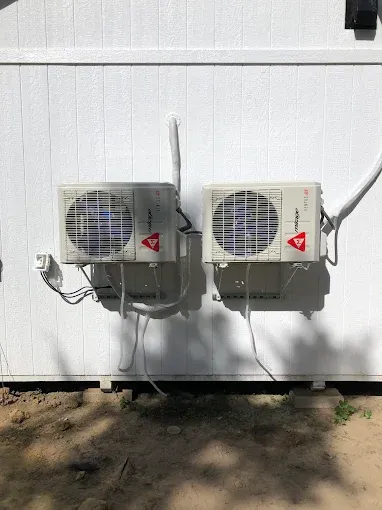
Actual completed jobs by the licensed installers in our Texas network.
Single-Zone Mini Splits: Common Questions
How much does a single-zone mini split cost installed in Texas?
How long does a single-zone installation take?
What size single-zone system do I need?
Is one big unit better than two small ones?
Ready To Get Started?
Free, no-obligation quotes from local professionals.
Get an Exact Quote for Your Home
Fill out the form below and a local pro will reach out shortly.
Mon–Fri 8am–5pm CST · Free, no-obligation quotes · No pressure, no hidden fees