
Multi-Zone Systems
Multi-Zone Mini Split Installation in Texas
Two to eight indoor units on a single outdoor condenser, each room with its own thermostat. Cover several spaces without duplicating equipment or filling your side yard with condensers.
- Veteran-Owned & Operated
- TDLR-Licensed Installers (#133305)
- EPA-Certified Installers (#3102/A-720-0010)
- 4.9 / 5 Star Rated Installs
Multi-zone mini split systems in Texas are estimated at $4,000 to $9,000 installed for two zones and $6,500 to $11,000 for three to four, with larger configurations quoted per project. One outdoor condenser serves all indoor heads, and each head has independent temperature control. Call for a firm number — multi-zone pricing depends heavily on head sizes and line-set routing.
How multi-zone works
A multi-zone system uses one larger outdoor condenser with multiple refrigerant circuits running to separate indoor heads. Each head serves one room and has its own thermostat and its own schedule. From the homeowner’s side it behaves like several independent systems; from the equipment side it is one condenser doing the work.
The practical benefits over multiple single-zone systems are straightforward: one unit outside instead of three or four, one electrical connection instead of several, lower total equipment cost at higher zone counts, and a single service point.
What it costs in Texas
The figures below are estimates based on typical Texas installations. Unlike our single-zone pricing, multi-zone systems are quoted per project — head sizes, line-set routing, and condenser placement move the number substantially. Use these to set expectations, then call for a firm quote.
| Configuration | Typical coverage | Estimated installed range |
|---|---|---|
| 2 zones | 2 bedrooms, or living + bedroom | $4,000–$9,000 |
| 3 zones | Living area + 2 bedrooms | $6,500–$11,000 |
| 4 zones | Small home or large addition | $6,500–$11,000 |
| 5+ zones | Whole-home replacement | Quoted per project |
Head size drives the number as much as head count. Three 9,000 BTU heads cost meaningfully less than three 18,000 BTU heads, because both the indoor units and the required condenser capacity are smaller.
Line-set length also matters more than people expect. A head at the far end of the house needs a long refrigerant run, which adds material cost and, past certain lengths, requires a larger condenser to maintain capacity.
The same-mode limitation
This is the single most important thing to understand before buying a multi-zone system, and it surprises homeowners regularly.
On standard residential multi-zone equipment, all indoor heads share one refrigerant circuit, which means they must all be in heating mode or all in cooling mode at the same time. You can set different temperatures, and any head can be off, but you cannot heat the north bedroom while cooling the south-facing living room.
In Texas this matters mostly in spring and fall, when a west-facing room may want cooling in the afternoon while a shaded north room wants heat. Most households find this a minor annoyance. If it is genuinely a problem for your layout, the options are separate single-zone systems for the conflicting rooms, or heat-recovery equipment that allows simultaneous operation at substantially higher cost.
Sizing a multi-zone system
Two rules matter.
Size each head for its own room. A 9,000 BTU head for a 300 sq ft bedroom, 18,000 for a 700 sq ft living area. Do not undersize a head on the theory that adjacent rooms will help — they will not.
Then check the condenser total. Manufacturers publish a maximum connected capacity. Most allow modest over-provisioning of the indoor units relative to the condenser, on the reasoning that not every room peaks simultaneously. Over-provisioning by 10–20 percent is normal and economical; over-provisioning by 50 percent means rooms will not hold temperature on the hottest afternoons.
A common Texas three-zone configuration: an 18,000 BTU head for the living area, a 12,000 for the primary bedroom, and a 9,000 for a secondary bedroom, on a 36,000 BTU condenser.
What can go wrong
Condenser placement. All line sets originate at one point, so the condenser location determines how far refrigerant lines must travel. Placing it centrally rather than wherever is convenient reduces both cost and capacity loss.
Line-set routing through finished space. In a retrofit, getting four line sets from one exterior location to four different rooms requires planning. Attic routing is usually simplest; a walk-through before quoting avoids expensive surprises.
Single point of failure. One condenser serving five rooms means a failed condenser leaves the whole house without conditioning. This is the real argument for separate systems in a house where that would be intolerable.
For a single room see single-zone systems, for replacing a central system entirely see whole-home ductless, or check the pricing tables for cost by unit size.
Recent Installs
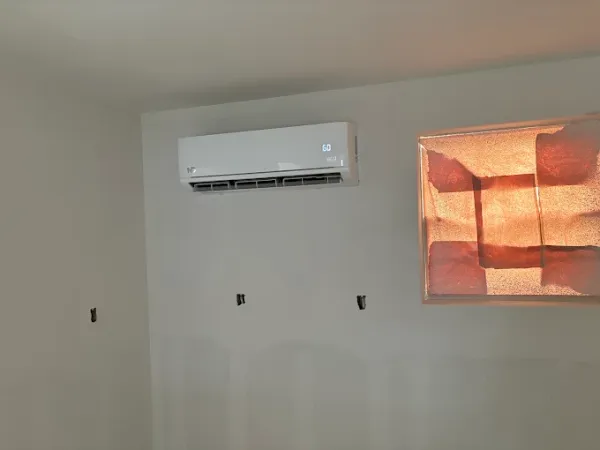
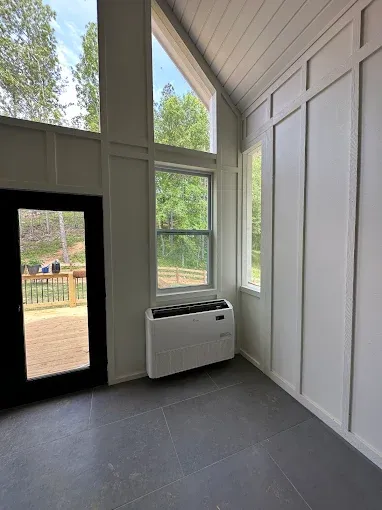
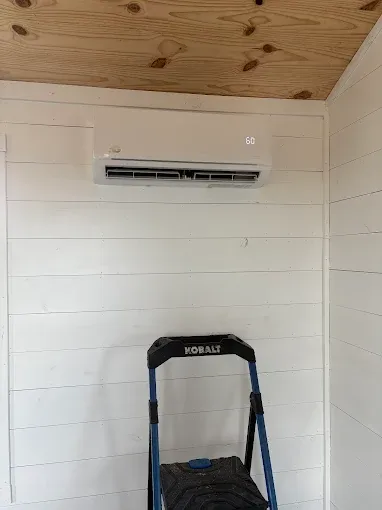
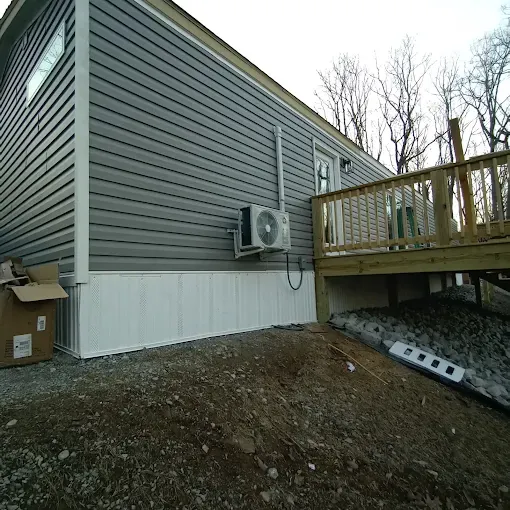
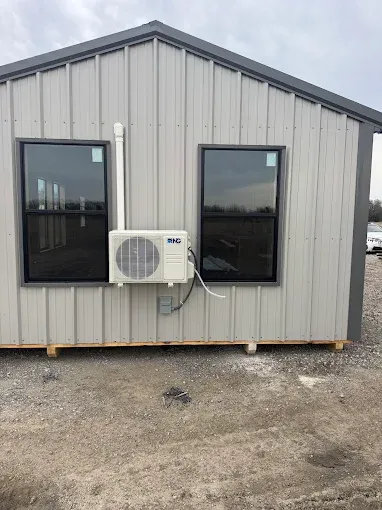
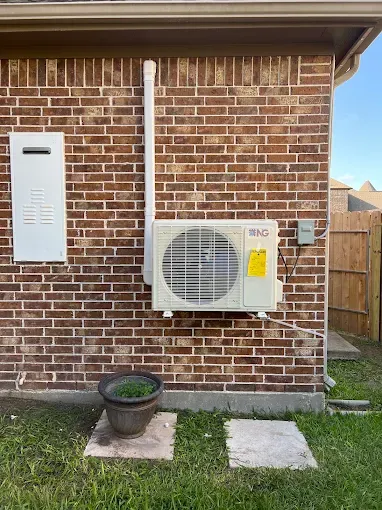
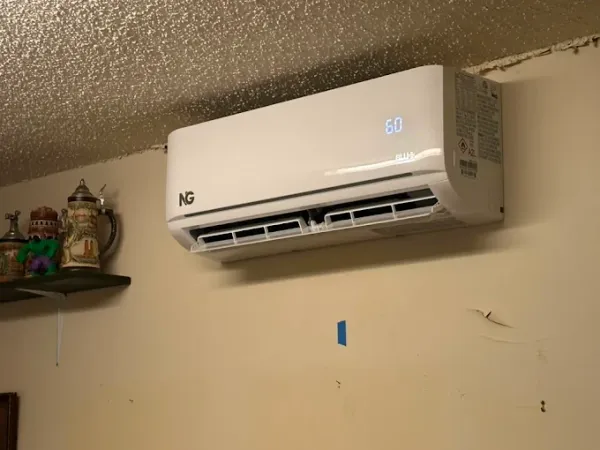
Actual completed jobs by the licensed installers in our Texas network.
Multi-Zone Ductless Systems: Common Questions
How much does a multi-zone mini split cost in Texas?
How many rooms can one outdoor unit handle?
Can each room be set to a different temperature?
Is multi-zone better than several single-zone systems?
Ready To Get Started?
Free, no-obligation quotes from local professionals.
Get an Exact Quote for Your Home
Fill out the form below and a local pro will reach out shortly.
Mon–Fri 8am–5pm CST · Free, no-obligation quotes · No pressure, no hidden fees