
Attics & Bonus Rooms
Mini Splits for Attics & Bonus Rooms in Texas
The room over the garage is hot in summer and cold in winter no matter where you set the thermostat. That is not a balancing problem you can fix at the register — it needs its own zone.
- Veteran-Owned & Operated
- TDLR-Licensed Installers (#133305)
- EPA-Certified Installers (#3102/A-720-0010)
- 4.9 / 5 Star Rated Installs
An attic or bonus room mini split runs $2,000 to $5,500 installed in Texas. Most bonus rooms need 12,000–18,000 BTU — more than the floor area suggests, because the space is surrounded on five sides by unconditioned attic and sits above an unconditioned garage.
Why bonus rooms fail
The room over the garage — the bonus room, the FROG, the finished attic — is the most common comfort complaint in Texas housing stock built from the 1990s onward. It is also the most predictable, because the cause is always some combination of the same four things.
It is the end of the longest duct run. Conditioned air travels the full length of the attic to reach it, losing both volume and temperature along the way. In a 140°F attic, a poorly insulated duct can deliver air ten degrees warmer than it started.
It is surrounded by unconditioned space. Attic on both sides behind the knee walls, attic above the sloped ceiling, and a garage below. Five of six surfaces face unconditioned air.
The garage below is a heat source. A closed Texas garage runs 110–120°F on a summer afternoon and re-radiates into the floor above well past sunset.
The knee-wall voids are usually unsealed. The triangular spaces behind the knee walls connect directly to the attic. If they are not air-sealed, the room is effectively ventilated by 140°F attic air.
What actually fixes it
Adding a dedicated ductless zone addresses the capacity problem directly. The unit sits in the room, not at the end of an attic duct, so there are no distribution losses at all. It gets its own thermostat, so the room can hold 72°F while the rest of the house sits at 76°F without over-cooling anything.
| Bonus room size | Insulated & sealed | Uninsulated garage below |
|---|---|---|
| Under 300 sq ft | 9,000 BTU | 12,000 BTU |
| 300–450 sq ft | 12,000 BTU | 18,000 BTU |
| 450–650 sq ft | 18,000 BTU | 24,000 BTU |
| 650+ sq ft | 24,000 BTU | 24,000 BTU or two zones |
Do the envelope work first
This is the one application where sequencing changes the outcome more than the equipment choice does. Before sizing a unit:
- Air-seal the knee-wall voids and insulate the knee walls themselves. This is usually the single highest-return step.
- Insulate the garage ceiling if the room sits over a garage. R-19 minimum, R-30 if there is depth for it.
- Check the sloped ceiling insulation. Many builder-grade installs have compressed batts with no ventilation channel, which performs far below its rating.
Homeowners who do this work first commonly drop from an 18,000 BTU requirement to 12,000 and see the room hold temperature with the unit running at part load — quieter, cheaper, and longer-lived than a larger unit cycling hard.
Keeping the existing system
You do not need to disconnect the bonus room from your central system, and generally you should not. Leave the register in place and let it contribute. The ductless unit handles the load the ducted air cannot, and on mild days the central system may cover the room by itself. Set the ductless thermostat a degree or two beyond the house setpoint so it only engages when actually needed.
What it costs against the alternatives
A dedicated zone at $2,000–$5,500 compares favorably with the usual alternatives. Re-ducting the run with larger, better-insulated trunk and branch lines runs $2,500–$6,000 and frequently does not fully solve the problem because the envelope is still the limiting factor. Adding a second small central system for the upstairs runs $8,000–$14,000 and puts more equipment in the attic.
See the full pricing tables, or if you have several problem rooms, multi-zone systems can put the bonus room and a back bedroom on one condenser.
Recent Installs
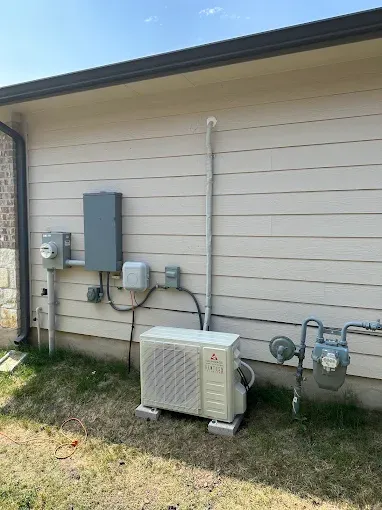
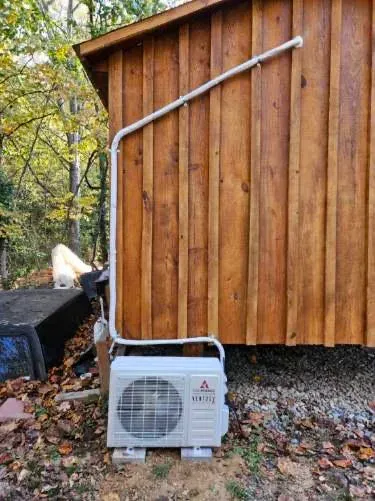
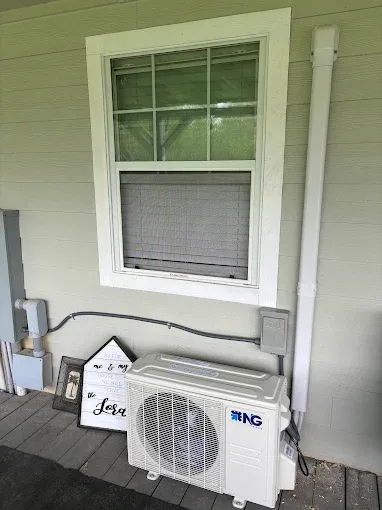
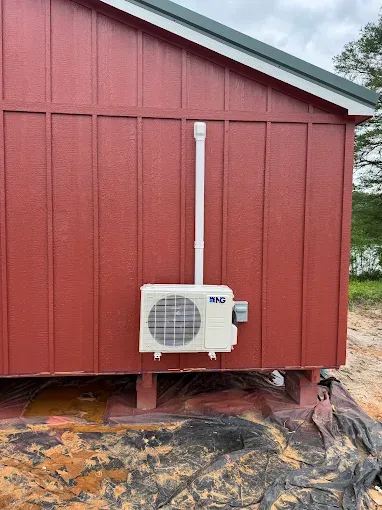
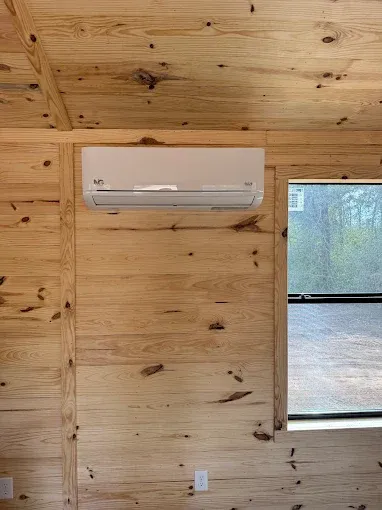
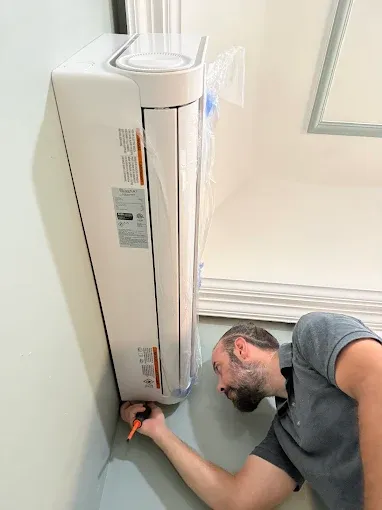
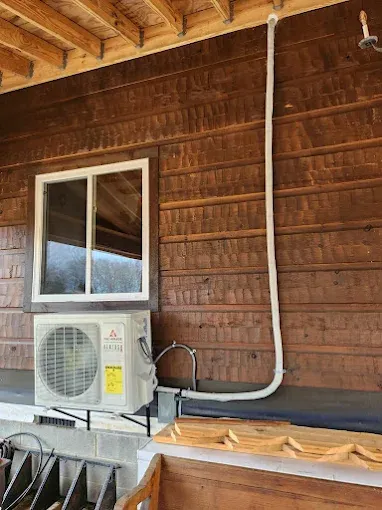
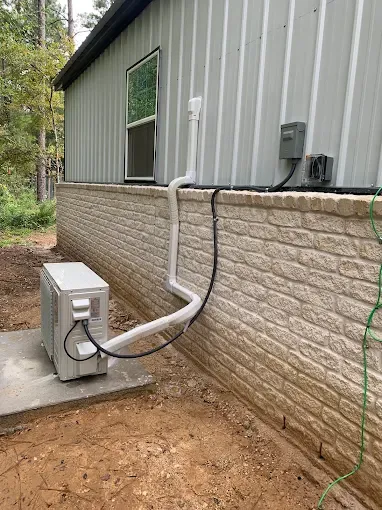
Actual completed jobs by the licensed installers in our Texas network.
Attic & Bonus Room Mini Splits: Common Questions
Why is my bonus room always hotter than the rest of the house?
What size mini split for a room over the garage?
Can I put a mini split in a finished attic with knee walls?
Should I add a zone to my central system instead?
Ready To Get Started?
Free, no-obligation quotes from local professionals.
Get an Exact Quote for Your Home
Fill out the form below and a local pro will reach out shortly.
Mon–Fri 8am–5pm CST · Free, no-obligation quotes · No pressure, no hidden fees