
Sunrooms & Patios
Ductless AC for Texas Sunrooms & Enclosed Patios
A sunroom is a glass box facing the Texas sun with no ductwork in it. That is the exact problem ductless was built to solve — and the reason a sunroom needs more capacity than its floor area suggests.
- Veteran-Owned & Operated
- TDLR-Licensed Installers (#133305)
- EPA-Certified Installers (#3102/A-720-0010)
- 4.9 / 5 Star Rated Installs
Sunroom mini splits typically run $2,000 to $5,500 installed in Texas. Size on glass area, not floor area: a 200 sq ft sunroom with a wall of west-facing windows often needs 12,000–18,000 BTU, roughly double what the same floor space would need inside the house.
Why sunrooms defeat central air
Homeowners routinely ask whether they can just extend a duct from the main system into the sunroom. Technically it is possible. Practically it fails for two reasons.
First, the load is wrong. Your central system was sized for the house, and a sunroom can add 30 to 50 percent of a whole floor’s cooling demand in a fraction of the floor area. Feeding it from the existing system starves the rest of the house on hot afternoons.
Second, the load is on a completely different schedule. The sunroom peaks at 4pm on a west exposure and drops off fast after sunset, while the rest of the house lags. One thermostat cannot serve both. You end up with a freezing living room and a sunroom that still is not comfortable.
A dedicated ductless zone gives the sunroom its own thermostat and its own capacity, which is what the space actually needs.
Sizing on glass, not floor area
| Sunroom size | Moderate glass (north/east) | Heavy glass (south/west) |
|---|---|---|
| Under 150 sq ft | 9,000 BTU | 12,000 BTU |
| 150–250 sq ft | 12,000 BTU | 18,000 BTU |
| 250–400 sq ft | 18,000 BTU | 24,000 BTU |
| 400+ sq ft | 24,000 BTU | 24,000 BTU or two zones |
Single-pane glass, an uninsulated roof panel, or an aluminum frame with no thermal break each push you toward the higher column. Low-E double-pane glass and an insulated roof let you use the lower one.
The things that change the quote
Roof construction. Many Texas patio enclosures use an insulated aluminum panel roof, which performs reasonably. Others use corrugated polycarbonate, which is essentially a skylight over the entire room. The latter can double the cooling load by itself.
Electrical access. Sunrooms are frequently built off the back of the house, far from the panel. A long conduit run raises the electrical portion of the job.
Wall structure for mounting. Some enclosures have framing that will not carry an indoor head where you want it. Floor-mounted or ceiling-cassette units solve this but cost more than a standard wall-mount head.
Permit history. Covered above, and worth repeating: an unpermitted enclosure can turn a one-day install into a multi-week approval process.
Getting the most out of the system
Solar control does more for a sunroom than any equipment upgrade. Ceramic window film, exterior roller shades, or even a well-placed awning will cut the peak load enough to notice on both comfort and the electric bill. If you are already planning to condition the space, doing the glass treatment first often lets you install a smaller, cheaper unit.
Compare full costs on the pricing page, or if you are conditioning several disconnected spaces, look at multi-zone systems — one condenser can serve the sunroom and a bedroom or office at the same time.
Recent Installs
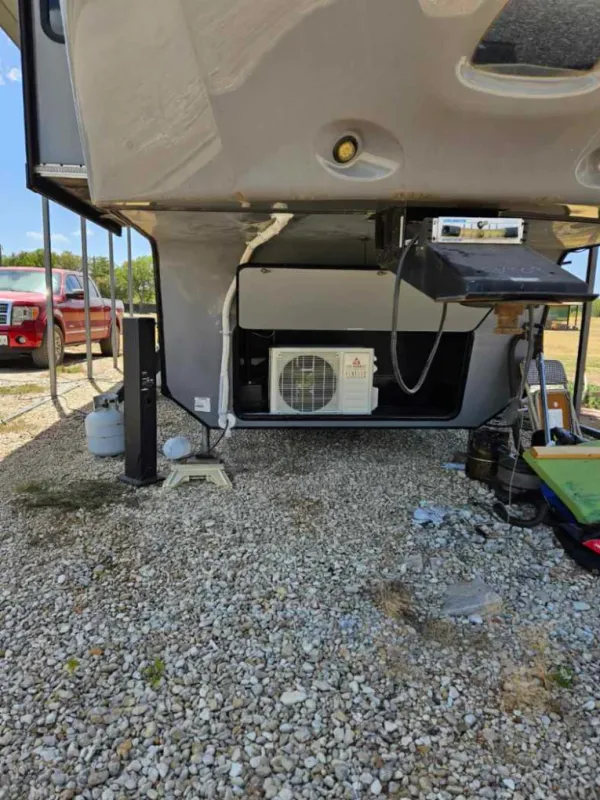
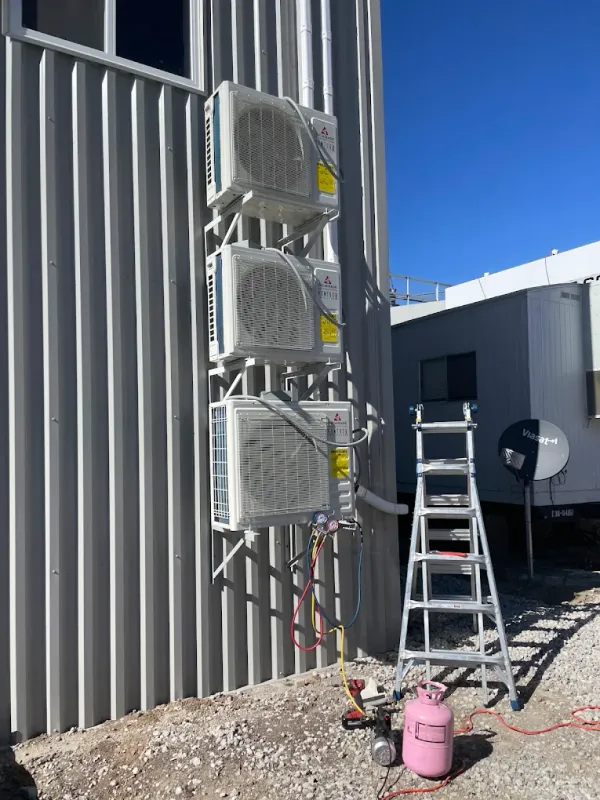
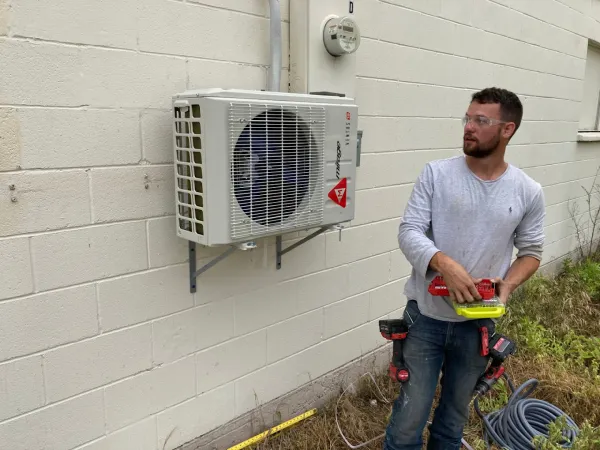
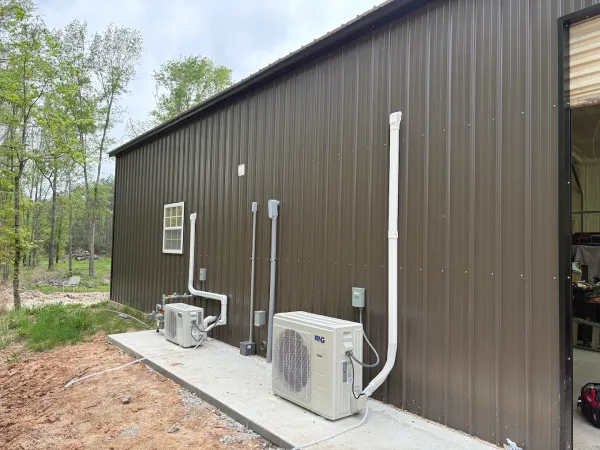
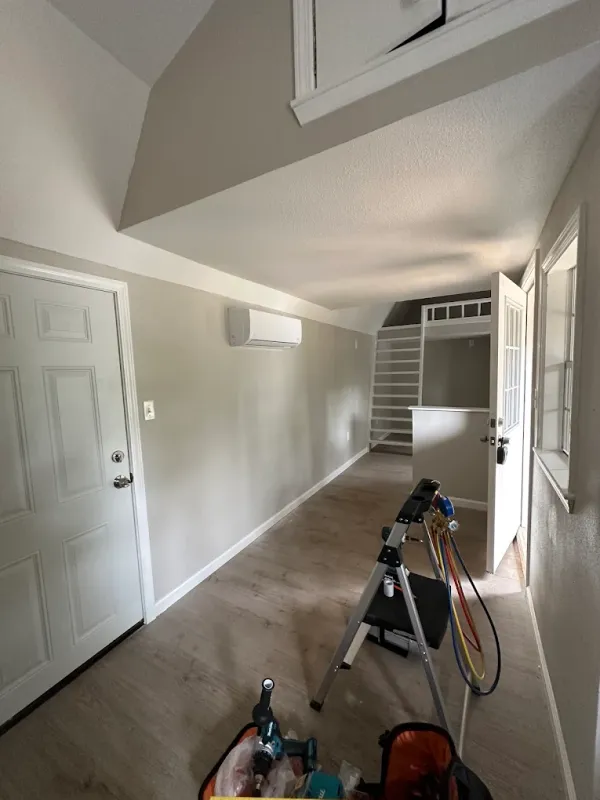
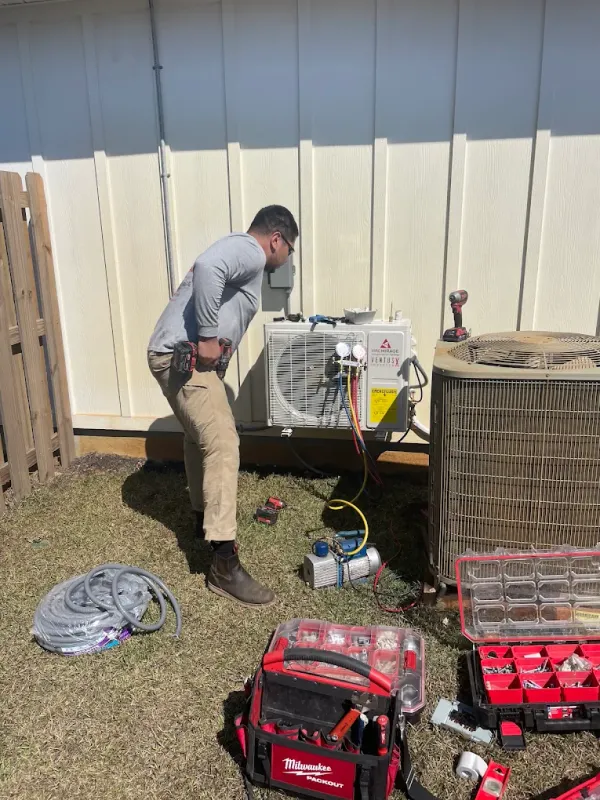
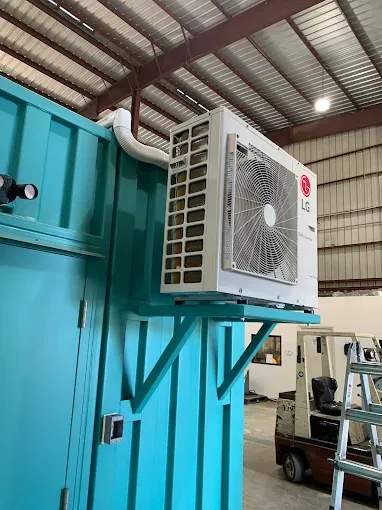
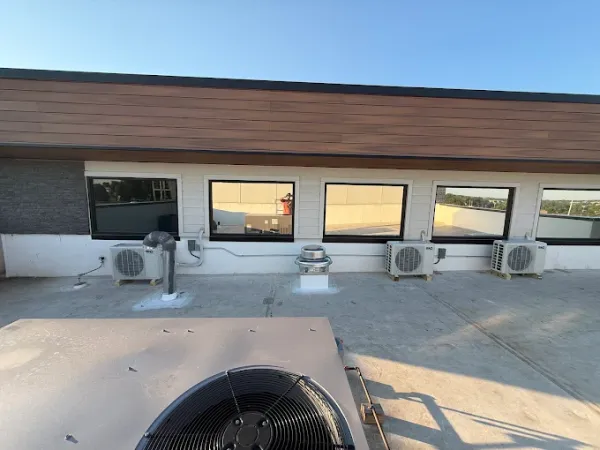
Actual completed jobs by the licensed installers in our Texas network.
Sunroom & Patio Mini Splits: Common Questions
What size mini split does a sunroom need?
Will a mini split work in a sunroom that gets full afternoon sun?
Do I need a permit to add AC to an enclosed patio?
Can a mini split heat a sunroom in winter?
Ready To Get Started?
Free, no-obligation quotes from local professionals.
Get an Exact Quote for Your Home
Fill out the form below and a local pro will reach out shortly.
Mon–Fri 8am–5pm CST · Free, no-obligation quotes · No pressure, no hidden fees