
Dallas–Fort Worth · Tarrant County
Mini Split Installation in Fort Worth, TX
Fort Worth has one of the largest stocks of pre-war housing in Texas, and almost none of it was built for ductwork. We match Tarrant County homeowners with licensed installers who know the city permit process and the Oncor rebate rules.
- Veteran-Owned & Operated
- TDLR-Licensed Installers (#133305)
- EPA-Certified Installers (#3102/A-720-0010)
- 4.9 / 5 Star Rated Installs
Mini split installation in Fort Worth runs $2,000 to $5,500 installed for a single-zone system. Fort Worth is inside Oncor territory, so qualifying heat pumps earn up to $600 per unit, and the City of Fort Worth requires a mechanical permit for a new HVAC system.
Fort Worth’s housing is why ductless fits
Fort Worth has one of the largest concentrations of pre-1940 housing in Texas, and that single fact explains most of the local demand for ductless systems.
Fairmount, Ryan Place, Arlington Heights, and Mistletoe Heights were built between roughly 1900 and 1930, before residential air conditioning existed as a product. The design strategy was high ceilings, deep porches, and cross-ventilation. There is no mechanical chase in these houses because nobody anticipated needing one.
When central air was retrofitted decades later, it went wherever it would fit — attic ducts squeezed under low hip roofs, an air handler in what used to be a hall closet, returns cut wherever a joist bay allowed. The results are familiar: one room that never gets cold, a system that runs constantly, and no practical way to extend service to an addition or a converted garage.
A ductless zone bypasses all of it. The installation is a three-inch hole through an exterior wall.
Historic districts, handled properly
Fairmount deserves specific mention because it is unusually large — one of the biggest historic districts in the southwestern United States — and because so many Fort Worth homeowners considering ductless live in it.
Designation does not prevent a mini split installation. It governs exterior changes visible from the public right of way. The indoor head is not a factor; the outdoor condenser is.
What works: place the condenser on a rear or side elevation out of view from the street, screen it with fencing or planting that does not obstruct airflow, and use line-set covers painted to match the trim rather than leaving tubing exposed. Contractors who work in the Near Southside regularly know the expectations.
What does not work: ordering equipment and figuring out placement on install day. Raise it during the quote.
The same considerations apply in Ryan Place and along Elizabeth Boulevard.
Oncor rebates in Tarrant County
Fort Worth is inside Oncor’s delivery territory, which means the same program that covers Dallas applies here. Because Texas deregulated retail electricity but not delivery, Oncor is your delivery utility whichever retail provider bills you — a point that causes eligible homeowners to skip the rebate because they have never seen Oncor’s name on a bill.
Up to $600 per qualifying heat pump. Three conditions: 16 SEER2 or better, an Oncor-approved contractor, and a DOE-listed smart thermostat. The contractor requirement is the one that cannot be fixed after the fact, so confirm enrollment before booking.
Applications open in February and close December 1 or when annual funding is exhausted. In recent years the money has run out before the deadline, so a spring project has better odds than an August one.
What Fort Worth weather asks for
Fort Worth sits at the northern edge of the major Texas metros, which makes heating a more serious design consideration than it is on the Gulf Coast. A typical winter brings multiple hard freezes, and North Texas has now been through two grid emergencies driven by winter demand.
Modern inverter heat pumps hold usable output to roughly 5°F. DFW design temperatures sit above that, so a correctly sized system carries a normal winter without difficulty. During an extreme event output drops but does not stop — which compares favorably to a gas furnace that cannot run without power for its blower.
Summer is the more routine load, and Fort Worth strings together long runs above 100°F. Inverter systems handle that pattern well because they modulate to partial output and run continuously rather than cycling hard, which holds temperature more evenly.
Homeowners who want additional low-temperature margin should look at better-specified equipment, which sustains heating capacity better than value-tier units as outdoor temperature falls. See the pricing page for full cost tables.
Getting a quote
Tell your installer the neighborhood, the age of the house, whether it is in a historic district, and whether your panel has spare capacity. Those determine most of the number. Start with the Texas pricing guide or read about single-zone systems.
Mini split installation cost in Fort Worth
Estimated installed cost by system type, covering equipment and labor. Installed pricing is broadly consistent across Texas — labor rates vary modestly between metros, but system type and unit size drive the number.
| System type | Typical use case | Estimated installed cost |
|---|---|---|
| Single-Zone (12k BTU) | A hot bonus room over the garage, a home office, or a converted space. | $2,000 – $5,500 |
| Dual-Zone (2 heads) | Cooling a primary suite and a home office on one condenser. | $4,000 – $9,000 |
| Multi-Zone (3–4 heads) | Zoned cooling for an older home with no duct space. | $6,500 – $11,000 |
| Whole-Home Replacement | Replacing central AC entirely for room-by-room control and humidity management. | $10,000 – $14,500 |
Estimates for typical installations, not a quote. See the full Texas pricing guide for cost by system type.
Rebates and incentives in Fort Worth
Oncor — Take a Load Off, Texas — residential HVAC rebate
Oncor is the delivery utility for Fort Worth and nearly all of Tarrant County, regardless of which retail electricity provider bills you. Qualifying heat pumps earn up to $600 per unit. Equipment must rate 16 SEER2 or higher, the work must be done by an Oncor-approved contractor, and a DOE-listed smart thermostat is required. Applications run February through November and close December 1 or when the year's funding runs out.
Program names, amounts, and eligibility change every year and funds often run out mid-season. Confirm current terms with Oncor and your installer before counting on a rebate.
Permits in Fort Worth
The City of Fort Worth requires a mechanical permit for a new mini split and an electrical permit if a dedicated circuit is added. Your licensed contractor files through Fort Worth Development Services. Fort Worth has several designated historic districts — Fairmount, Ryan Place, and Elizabeth Boulevard among them — where exterior equipment placement may require review. Fairmount in particular is one of the largest historic districts in the southwestern United States, so if you are in the Near Southside, raise condenser placement early.
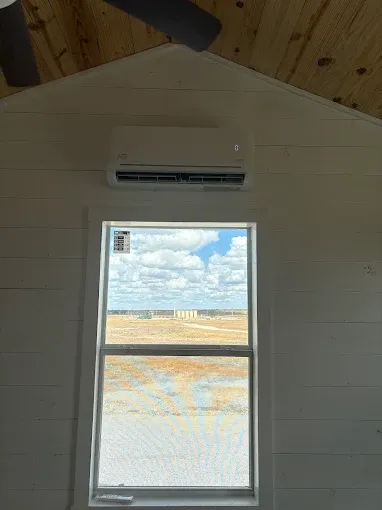
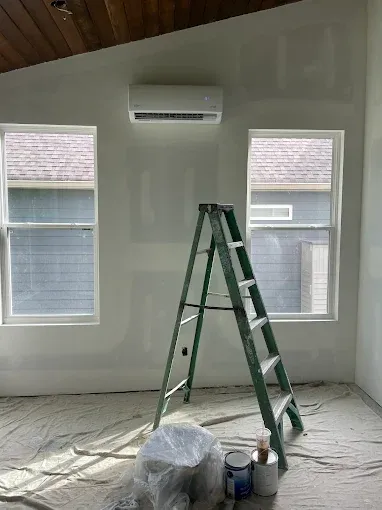
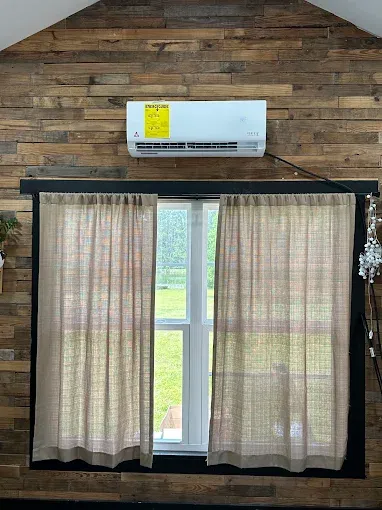
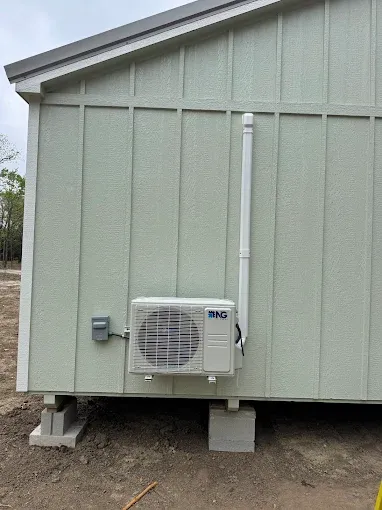
Recent Installs Near Fort Worth
Actual completed jobs by the licensed installers in our Texas network.
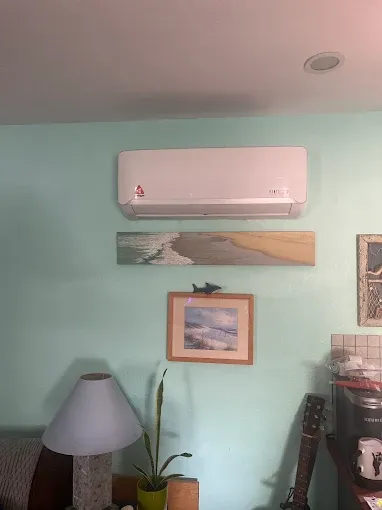
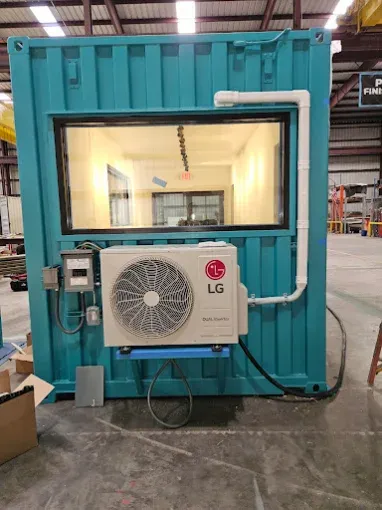
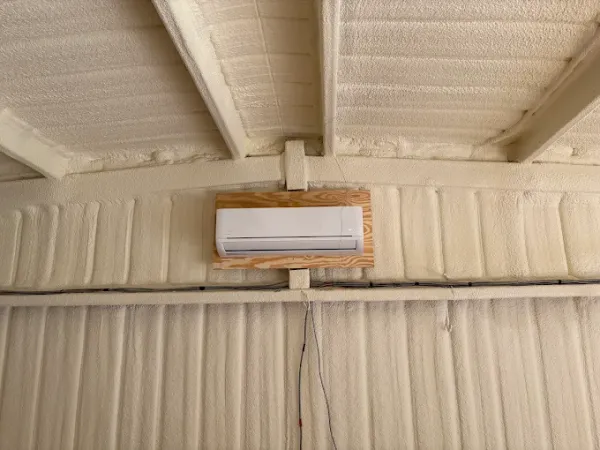
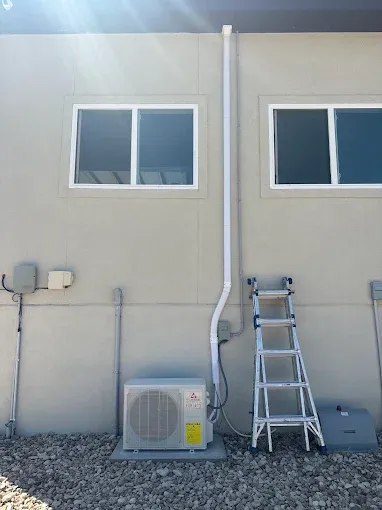
What Dallas–Fort Worth Homeowners Say
Real reviews from customers of the local installers we work with.
4.9 / 5 from 300 Google reviews
“Great experience would definitely do business with them again they will be my go to for mini splits!”
“Thank you for installing our split unit! Very efficient and professional service. Would highly recommend!”
“Great service! Everything was done in a few hours. Clean and professional job, Very satisfied!”
Mini Splits in Fort Worth: Common Questions
How much does mini split installation cost in Fort Worth?
Can I put a mini split in a Fairmount historic home?
What Oncor rebates apply in Tarrant County?
Do I need to worry about winter performance in Fort Worth?
Get Your Free Fort Worth Mini Split Quote
Free, no-obligation quotes from licensed installers serving Fort Worth and the surrounding Dallas–Fort Worth area.
Get an Exact Quote for Your Home
Fill out the form below and a local pro will reach out shortly.
Mon–Fri 8am–5pm CST · Free, no-obligation quotes · No pressure, no hidden fees