
Greater Austin · Travis County
Mini Split Installation in Austin, TX
Austin has the most generous utility efficiency programs in Texas and the most ADU construction. We match homeowners from Hyde Park to Circle C with licensed installers who know both.
- Veteran-Owned & Operated
- TDLR-Licensed Installers (#133305)
- EPA-Certified Installers (#3102/A-720-0010)
- 4.9 / 5 Star Rated Installs
Mini split installation in Austin runs $2,000 to $5,500 installed for a single-zone system. Austin Energy runs the most substantial efficiency program in the state, with whole-home projects reaching roughly $3,000 in rebates. Austin's permissive ADU rules also make ductless the default choice for garage apartments and backyard casitas.
Austin Energy is the best utility program in Texas
If you are weighing a mini split anywhere in Texas, Austin is where the utility incentives are most worth structuring your project around.
Austin Energy is municipally owned, and its residential efficiency program goes well beyond the flat per-unit heat pump rebates offered by Oncor and CenterPoint. Whole-home performance projects — bundling HVAC with attic insulation, duct sealing, and air sealing — can reach roughly $3,000. That is several times the $500 to $600 available in Houston or Dallas.
The tradeoff is process. The larger rebates require a participating contractor and, generally, pre-approval before work starts. Homeowners who install first and apply afterward routinely find they have disqualified themselves. If the rebate matters to your budget, make the first call about the program rather than the equipment.
This is also a case where the rebate structure should shape the scope. Austin Energy rewards whole-home performance, so pairing a ductless installation with attic insulation and air sealing can pay better than the equipment rebate alone — and the envelope work reduces the equipment you need in the first place.
The federal 25C tax credit, worth up to $2,000 on a qualifying heat pump, expired December 31, 2025 and is not available for 2026 work.
ADUs are the Austin story
No Texas city has more accessory dwelling unit construction than Austin, and ductless is effectively the default climate system for all of it.
The reason is structural. A detached ADU cannot practically share the main house’s HVAC — extending refrigerant or duct lines to a separate structure means trenching, and most jurisdictions treat a detached dwelling as requiring its own independent mechanical system. Beyond code, a shared system means a shared thermostat, which is untenable the moment the ADU has a tenant.
A single-zone mini split costs less than the trenching alone, installs in a day, and gives the unit its own control. For a studio ADU under 500 square feet, a 12,000 BTU system is typical. For a one-bedroom, a two-zone system lets the bedroom hold its own setpoint — worth the few hundred dollars if the unit will be rented.
Garage apartments need a specific caution: they sit above an unconditioned garage running 115°F on a summer afternoon, and that heat comes up through the floor all day. Insulating the garage ceiling before installation frequently lets you drop a unit size. See ADU and pool house systems for full sizing guidance.
The Austin housing mix
Central Austin — Hyde Park, Clarksville, Travis Heights, Crestview — is dominated by bungalows and small postwar homes on lots that have been added to repeatedly. Enclosed porches, converted garages, and back additions are everywhere, and they are frequently served badly or not at all by the original central system. These are straightforward single-zone jobs.
South and southwest — Circle C, Barton Hills, and the hill neighborhoods — the terrain matters. Homes built into slopes often have walk-out lower levels or bonus spaces that the main system reaches poorly, and west-facing rooms take hard Hill Country afternoon sun.
Mueller and the newer east-side development is well built and tightly sealed, where the ductless use case is usually a home office or a converted space rather than a comfort failure.
Permitting takes longer here
This is worth planning for. Austin’s permitting process is more rigorous than Dallas, Houston, or San Antonio, and its energy code is stricter. Neither is a problem for the equipment — a modern inverter mini split at 18 to 24 SEER2 clears code comfortably — but the timeline is longer and inspections are more thorough.
Use a contractor who works in Austin routinely. Familiarity with Austin Development Services is genuinely worth something here in a way it is not in most Texas jurisdictions.
Historic districts add a layer in Hyde Park, Clarksville, and Old West Austin, where exterior equipment placement may be reviewed. As elsewhere, a rear or side condenser location out of street view generally resolves it.
Next steps
See the Texas pricing guide for full cost tables, ADU systems if you are building a garage apartment or casita, or multi-zone systems for covering several rooms from one condenser.
Mini split installation cost in Austin
Estimated installed cost by system type, covering equipment and labor. Installed pricing is broadly consistent across Texas — labor rates vary modestly between metros, but system type and unit size drive the number.
| System type | Typical use case | Estimated installed cost |
|---|---|---|
| Single-Zone (12k BTU) | A hot bonus room over the garage, a home office, or a converted space. | $2,000 – $5,500 |
| Dual-Zone (2 heads) | Cooling a primary suite and a home office on one condenser. | $4,000 – $9,000 |
| Multi-Zone (3–4 heads) | Zoned cooling for an older home with no duct space. | $6,500 – $11,000 |
| Whole-Home Replacement | Replacing central AC entirely for room-by-room control and humidity management. | $10,000 – $14,500 |
Estimates for typical installations, not a quote. See the full Texas pricing guide for cost by system type.
Rebates and incentives in Austin
Austin Energy — Home Performance with ENERGY STAR and HVAC rebates
Austin Energy is municipally owned and runs the most substantial residential efficiency program in Texas. Whole-home performance projects that bundle HVAC with insulation and air sealing can reach roughly $3,000 in rebates, considerably more than the per-unit heat pump rebates offered by Oncor or CenterPoint. Standalone HVAC rebates are also available. Work must be done by a participating contractor, and pre-approval is generally required for the larger whole-home projects — do not start work before confirming.
Program names, amounts, and eligibility change every year and funds often run out mid-season. Confirm current terms with Austin Energy and your installer before counting on a rebate.
Permits in Austin
The City of Austin requires a mechanical permit for a new mini split and an electrical permit for a dedicated circuit. Austin's permitting process is more rigorous than most Texas cities and its energy code is stricter, so allow extra time. Your licensed contractor files through Austin Development Services. If the installation is part of an ADU project, the mechanical permit is typically folded into the ADU permit. Homes in the Hyde Park, Clarksville, or Old West Austin historic districts may need review of exterior equipment placement.
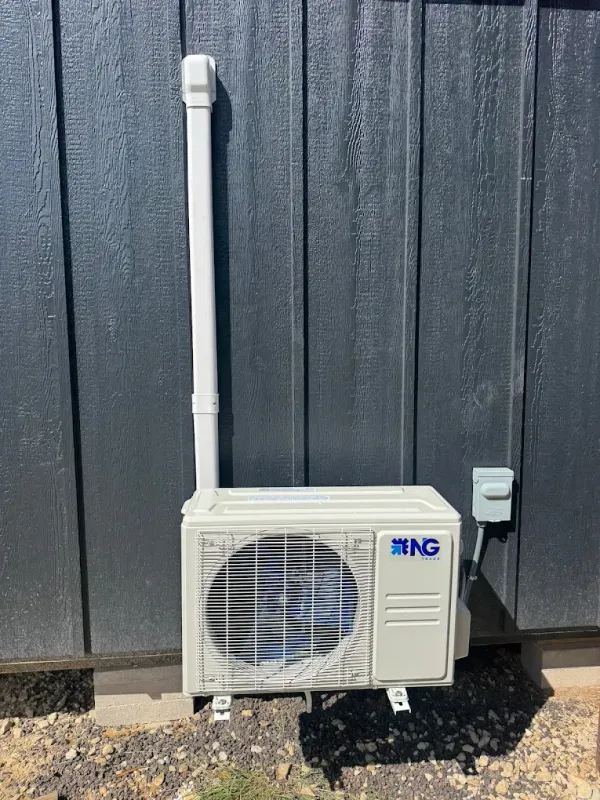
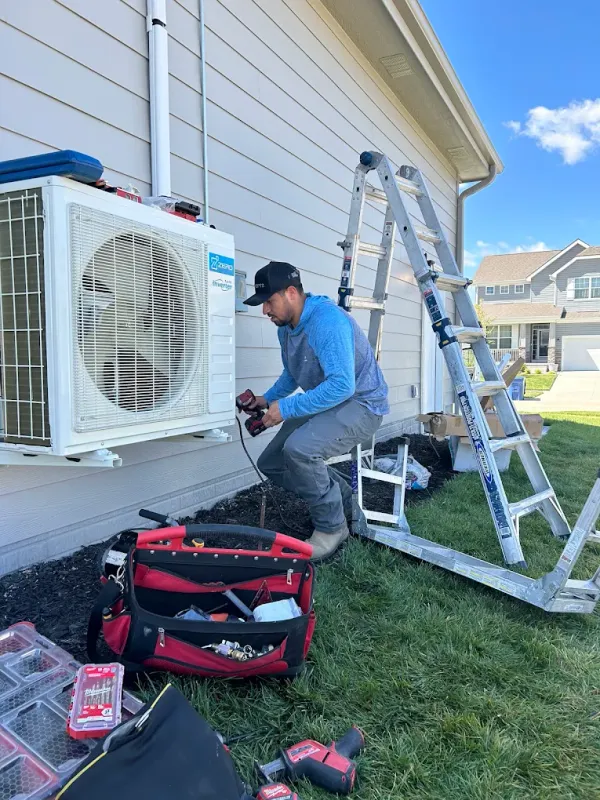
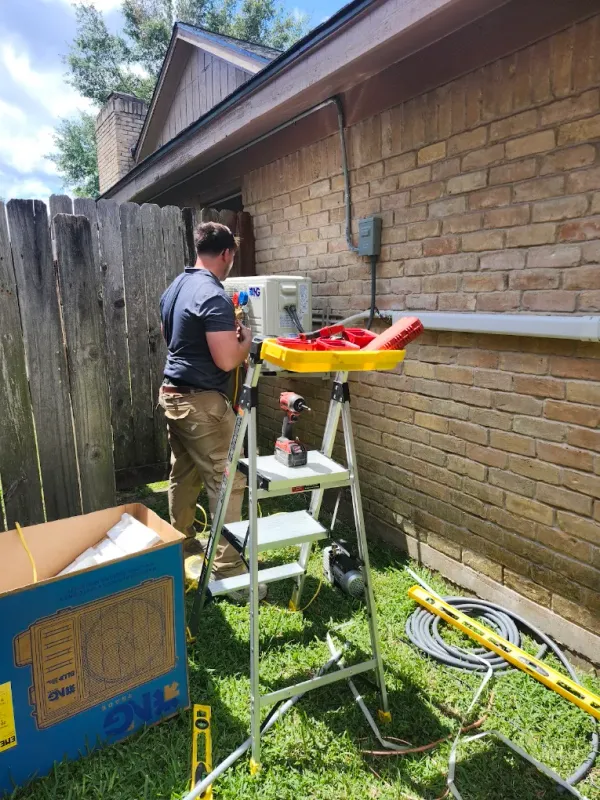
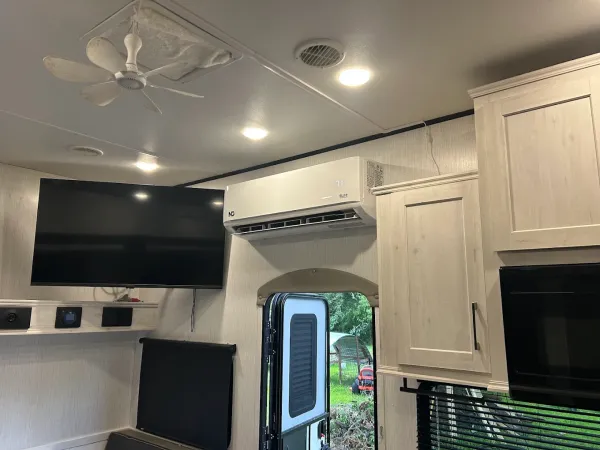
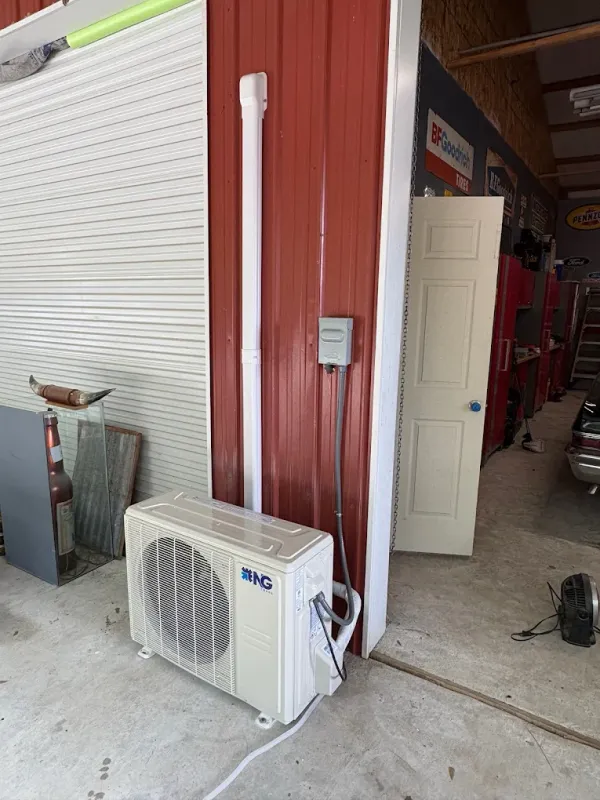
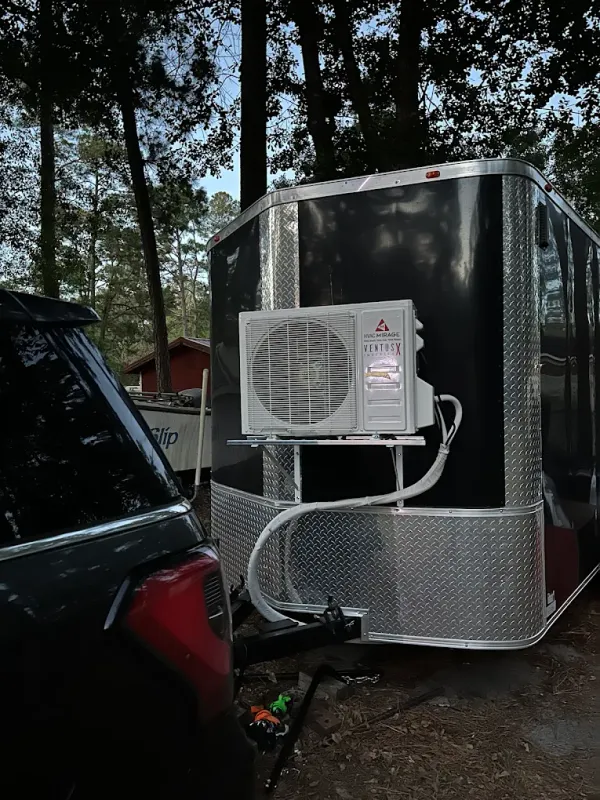
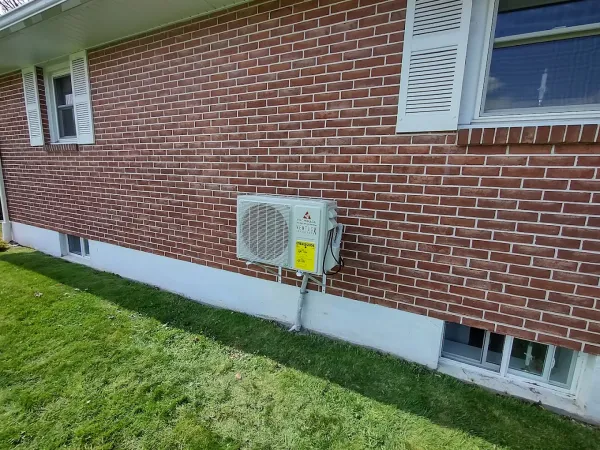
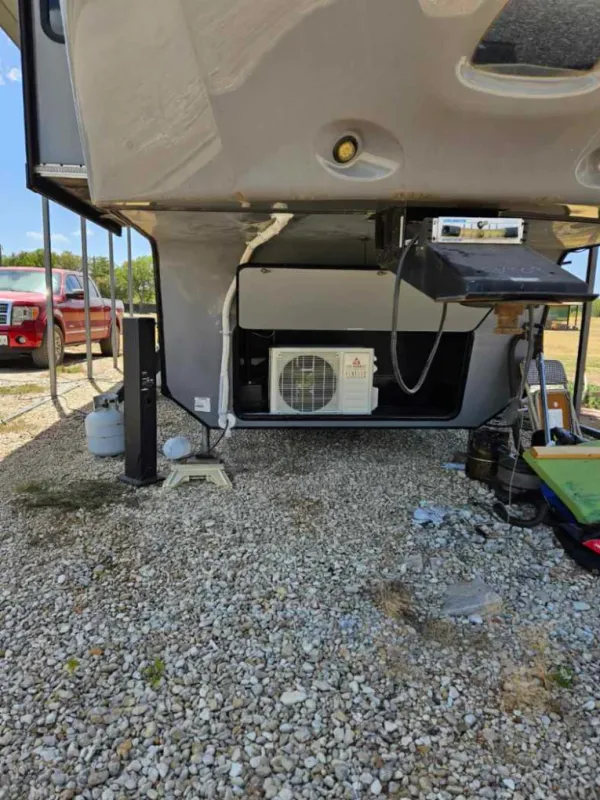
Recent Installs Near Austin
Actual completed jobs by the licensed installers in our Texas network.
What Greater Austin Homeowners Say
Real reviews from customers of the local installers we work with.
4.9 / 5 from 300 Google reviews
“Great experience would definitely do business with them again they will be my go to for mini splits!”
“Thank you for installing our split unit! Very efficient and professional service. Would highly recommend!”
“Great service! Everything was done in a few hours. Clean and professional job, Very satisfied!”
Mini Splits in Austin: Common Questions
How much does mini split installation cost in Austin?
What Austin Energy rebates are available?
Are mini splits good for an Austin ADU?
Does Austin's stricter energy code affect a mini split installation?
Get Your Free Austin Mini Split Quote
Free, no-obligation quotes from licensed installers serving Austin and the surrounding Greater Austin area.
Get an Exact Quote for Your Home
Fill out the form below and a local pro will reach out shortly.
Mon–Fri 8am–5pm CST · Free, no-obligation quotes · No pressure, no hidden fees